Practical guide
Sala Terrena concert: practical
How to reach the Sala Terrena concert at Singerstraße 7: the courtyard entrance, not the museum, seating, dress, access, the season and what to do around it.
Reserve a seat in the Sala Terrena ↗Quick answer
The concert is at Deutschordenshaus, Singerstraße 7, in Vienna's Inner City, through the courtyard and the gate by the Deutschordenskirche. It is a separate building from the Mozarthaus Vienna museum on Domgasse. The hall is small, with no stage between players and listeners. The organiser gives no dress code and says concerts run year-round, so the calendar for your date is the only reliable guide to the start time.
The address and the courtyard
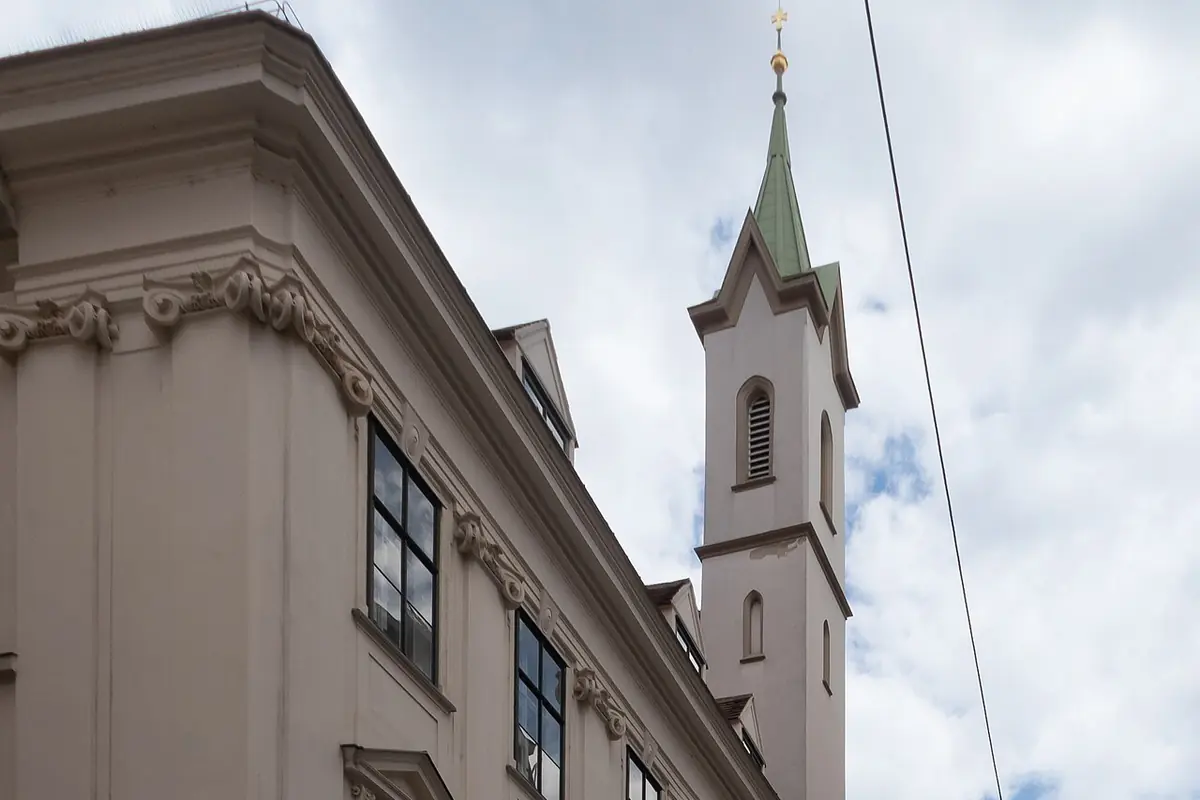
The venue is the Deutschordenshaus, the Teutonic Order's house, at Singerstraße 7, 1010 Vienna. The organiser says you reach the Sala Terrena through the courtyard, and the booking page tells you to enter by the gate at the Deutschordenskirche, where a poster stand shows the concerts. A visitor guide describes the courtyard as quiet, with one of St Stephen's towers rising above the walls. Because the concert hall sits inside a working religious institution rather than on a street front, there is no marquee to look for. Follow the poster stand and the other guests, who are usually heading the same way, and when in doubt ask at the gate rather than wandering into the Order's offices.
Do not go to Domgasse
The commonest mistake with this concert is the destination. Mozarthaus Vienna, the museum, is at Domgasse 5. It is a fine museum, and it hosts its own concerts in a cellar hall, but it is not where the Sala Terrena concert is held. Mozart lived on Domgasse from 1784 to 1787, and he lodged on Singerstraße in 1781. If a map app or a driver hears 'Mozarthaus', say the street: Singerstraße 7, the Deutschordenshaus. Your booking confirmation should show the same address, so check it before you leave your hotel, and tell a taxi driver the street and the house number, not the museum's name.
Read next: Mozarthaus concert in Vienna
Getting there
Singerstraße lies in the Inner City, close to St Stephen's Cathedral, so the sensible approach is on foot from Stephansplatz. A visitor guide advises taking the U-Bahn to Stephansplatz and leaving by the Kärntner Straße exit, then walking a few minutes; the same guide says the Deutschordenshaus is the home of the Austrian branch of the Teutonic Order, which helps if you ask for directions. Several city bus routes also stop at Stephansplatz. Because the centre is largely pedestrian, a taxi can drop you only near the street, and the last stretch is walked. Leave extra time on a first visit, since the courtyard gate is easy to pass without noticing and the approach is through old narrow streets where a map app can lose its signal for a moment.
The hall, the seats and the sound
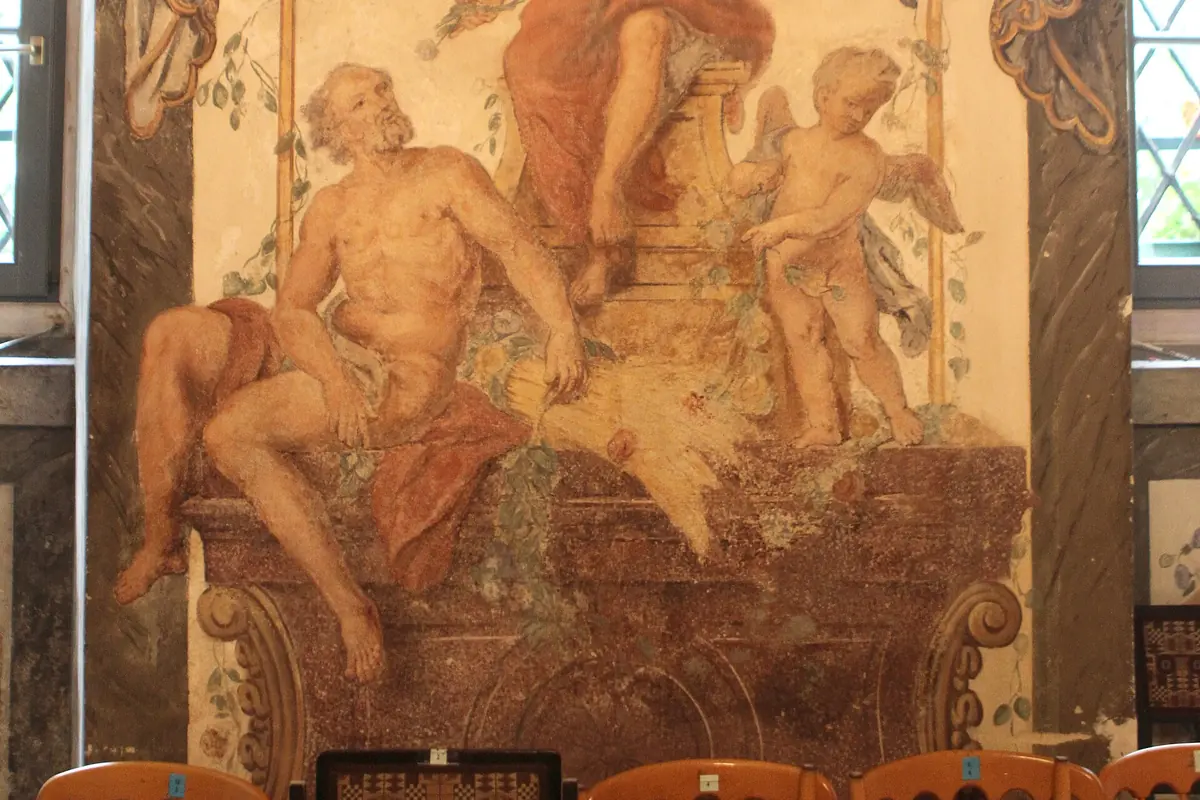
The Sala Terrena is a small vaulted room with a flat dome, and the organiser describes it as an intimate hall with good acoustics. The musicians sit close to the audience, with no stage dividing players from listeners, so you hear bow noise and breathing as well as the notes. The organiser sells Category A, Category B and student tickets, and the booking calendar shows which options your date offers. Some reviewers find the chairs close together, so a tall guest or a group with bags should plan for tight space and, if it matters, choose the category and date that leave room around you. Seats matter less than the date, because the hall is small and the distances are short.
Arriving and the confirmation
Your booking confirmation shows the start time and the address, and it is the document to rely on, because a start time remembered from a website can be out of date. Arrive with margin, since the courtyard gate and the poster stand are easy to pass on a first visit and a late entry into a small hall disturbs the players and the audience alike. Have the confirmation ready on your phone. If anything about the entrance is unclear on the night, ask the staff at the courtyard, who can point you to the hall.
Seat categories and student tickets
The organiser's own site lists Category A, Category B and a student ticket. The booking page for your date shows which of these it offers, and the options and fares can differ between the organiser's site and the booking page, so compare them before you buy. A student ticket normally needs proof of student status at the door, and the organiser sets the rules, so read its conditions first and carry the right card on the night. Whichever category you choose, the room is the same small hall, and the main difference between categories is where your chair stands in it. If you travel with a group, book in one transaction so that your seats are allocated together, and ask the organiser if you need a particular arrangement.
What to wear, and how to listen
The organiser gives no dress code. The concert is an indoor evening in a historic hall, so most people choose smart-casual clothes, and a light coat is easy to carry for the courtyard crossing. The ticket's inclusions mention a wardrobe, so ask at the entrance whether a cloakroom is in use on your date. Inside, a chamber concert in a room this size is quiet: switch your phone off and keep bags on your lap, because every sound carries to players who sit close. Photography is a rule for the organiser to give, so follow any notice on your confirmation or at the entrance.
Days and seasons
The organiser says the concerts run year-round and gives a pattern of evening concerts from Tuesday to Sunday with Monday closed. Its own header and footer show slightly different start times, so take the start time from your confirmation, not from memory. The hall is indoors, so rain or a cold evening does not change the concert, though a wet courtyard is worth a careful step, and the organiser says there is no seasonal break. The courtyard is outdoors, and in winter it is a short, cold crossing.
Access
The organiser describes access to its venue as barrier-free. The booking page does not carry a wheelchair-accessible label for this ticket, and one ticket seller's page mentions steps at the hall, so the statements may describe different routes. Do not rely on any of them. Contact the organiser from the booking page before you travel, say how you plan to arrive, and ask which entrance and which seats suit you. A written reply is something to show at the door. The museum on Domgasse is a different building with its own arrangements, so nothing said about it applies here.
Who this isn't for
This evening is the wrong fit if you need a guaranteed step-free route and have not confirmed it, if you want to see the apartment where Mozart wrote Figaro, or if you want a large orchestra and a staged show. It is also a poor choice for young children who struggle to sit quietly through a chamber concert of about 90 minutes in a small room. No meal is sold with this ticket, so plan dinner separately, either before the concert or afterwards in the centre. If you want music with a three-course dinner, look at a dinner-concert product instead. Finally, if you expect a big sound, remember that four or five players in a domed room are quiet by comparison with an orchestra.
Before and after
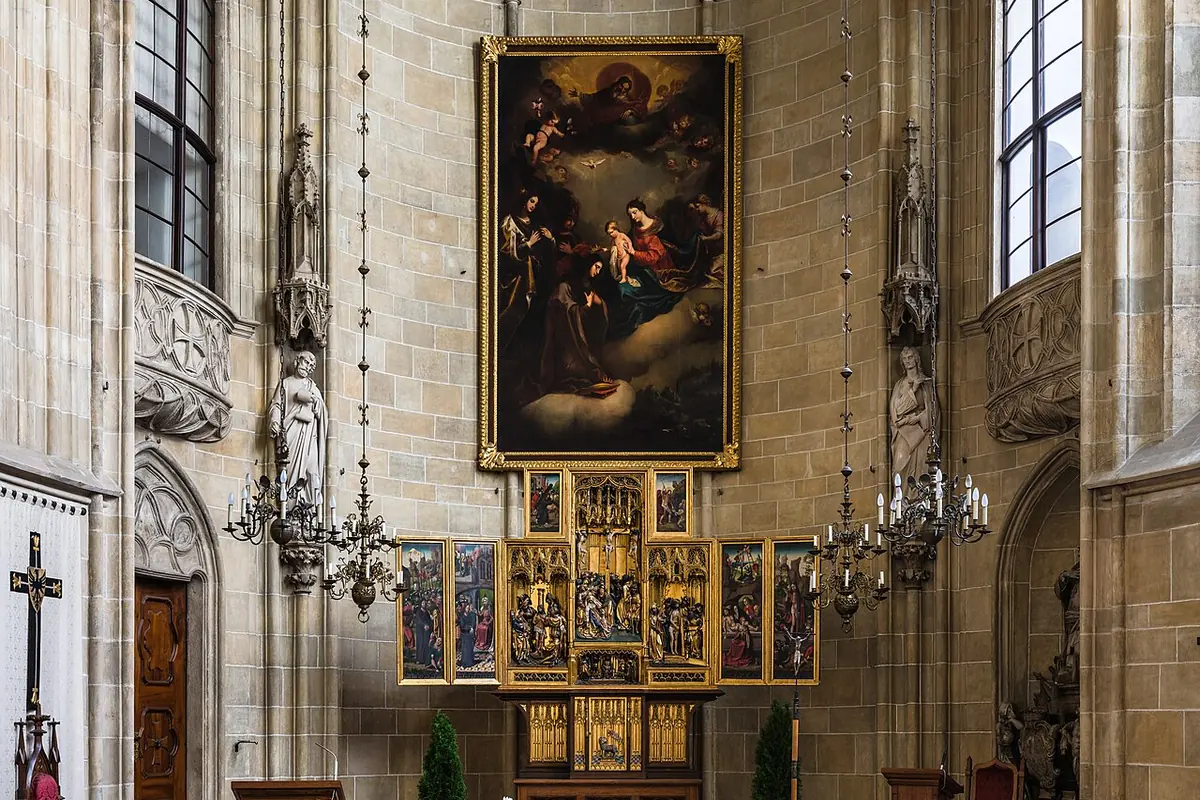
You are a few minutes from Stephansplatz, so there is plenty to do around the evening. St Stephen's Cathedral is the obvious landmark. The Teutonic Order's own church and its treasury share the building and keep their own visiting hours, which you should check on the Order's site. The Order also notes that the Sala Terrena can be seen on guided tours of the treasury, so a daytime visit is a second way to see the room, and a useful one if the evening dates are full, though the tour times and ticket arrangements are the Order's to give. Leave dinner for after the music, when the cafés of the centre are still open or eat earlier, leaving time for the walk.
Read next: Teutonic Order house, Vienna
Frequently asked questions
Where is the entrance?
Through the courtyard of the Deutschordenshaus at Singerstraße 7. The booking page tells you to enter by the gate at the Deutschordenskirche, where a poster stand shows the concerts.
Is there a dress code?
The organiser gives none. Smart-casual clothes are the common choice for an indoor evening in a historic hall.
What is the nearest station?
Stephansplatz on the U-Bahn. A visitor guide advises leaving by the Kärntner Straße exit and walking the last few minutes.
Which days are there concerts?
The organiser says Tuesday to Sunday, year-round, with Monday closed. Check the booking calendar for your exact date and start time.
Is the hall step-free?
The organiser calls its venue barrier-free, but the ticket carries no wheelchair label and another seller mentions steps. Ask the organiser before you travel.
Is food served?
No meal is sold with this concert. Plan dinner separately in the Inner City.
Sources